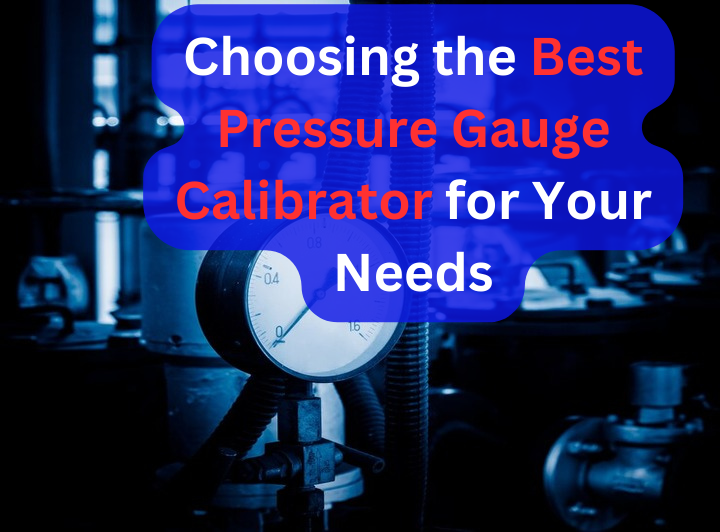
Pressure Gauge Calibrator

Selecting the Ideal Pressure Gauge Calibrator for Your Requirements

Assess Your Application Needs

Consider the pressure range, accuracy level, and frequency of calibration required for your operations.

Choose Reputable Manufacturers

Select pressure gauge calibrators from trusted manufacturers known for quality, certifications, and long-term reliability.

Look for Versatility

A versatile calibrator capable of handling multiple pressure ranges and applications offers greater value, especially when working with various instruments.

Focus on Long-Term Value

While initial cost is important, durability, maintenance requirements, and long-term usability should guide your decision.

Seek Expert Guidance

Consult calibration professionals to identify the most suitable pressure gauge calibration standards and tools for your environment.

Best Practices for Pressure Gauge Calibration

  • Schedule Regular Calibration: Establish a consistent calibration program.

  • Maintain Detailed Records: Document calibration results, adjustments, and equipment details

  • Train Personnel: Ensure technicians are properly trained in calibration procedures

  • Use Certified Reference Standards: Follow ISO/IEC 17025 or equivalent standards

  • Allow Instrument Warm-Up: Stabilise both the calibrator and test equipment before calibration

  • Control the Environment: Minimise temperature changes, dust, vibration, and interference

Conclusion

Choosing the right pressure gauge calibration requires understanding application needs, calibration standards, and operational conditions. When selected correctly, a pressure gauge calibrator ensures accurate measurements, regulatory compliance, and efficient performance.

Investing in a high-quality pressure gauge calibrator helps maintain the integrity of pressure-measuring systems across industrial and precision applications, making it an essential tool for long-term reliability and safety.



[/vc_column_text][/vc_column][/vc_row]
 

Selecting the Ideal Pressure Gauge Calibrator for Your Requirements

Assess Your Application Needs

Consider the pressure range, accuracy level, and frequency of calibration required for your operations.

Choose Reputable Manufacturers

Select pressure gauge calibrators from trusted manufacturers known for quality, certifications, and long-term reliability.

Look for Versatility

A versatile calibrator capable of handling multiple pressure ranges and applications offers greater value, especially when working with various instruments.

Focus on Long-Term Value

While initial cost is important, durability, maintenance requirements, and long-term usability should guide your decision.

Seek Expert Guidance

Consult calibration professionals to identify the most suitable pressure gauge calibration standards and tools for your environment.

Best Practices for Pressure Gauge Calibration

  • Schedule Regular Calibration: Establish a consistent calibration program.

  • Maintain Detailed Records: Document calibration results, adjustments, and equipment details

  • Train Personnel: Ensure technicians are properly trained in calibration procedures

  • Use Certified Reference Standards: Follow ISO/IEC 17025 or equivalent standards

  • Allow Instrument Warm-Up: Stabilise both the calibrator and test equipment before calibration

  • Control the Environment: Minimise temperature changes, dust, vibration, and interference

Conclusion

Choosing the right pressure gauge calibration requires understanding application needs, calibration standards, and operational conditions. When selected correctly, a pressure gauge calibrator ensures accurate measurements, regulatory compliance, and efficient performance.

Investing in a high-quality pressure gauge calibrator helps maintain the integrity of pressure-measuring systems across industrial and precision applications, making it an essential tool for long-term reliability and safety.


[/vc_column_text][/vc_column][/vc_row]

Key Calibration Considerations

Before selecting a pressure gauge calibrator, it is important to understand the factors that influence calibration accuracy and usability.

Factors to Consider When Choosing the Right Pressure Gauge Calibrator

1. Range and Accuracy

Choose a calibrator that covers the full pressure range of your instruments. The accuracy of the calibrator should exceed that of the device being tested to ensure reliable results.

2. Type of Pressure

Identify whether your application requires gauge, absolute, or differential pressure calibration. Each pressure type may require a specific calibrator design.

3. Environmental Conditions

Calibration accuracy can be affected by temperature, humidity, dust, and vibration. Select a pressure gauge calibrator suitable for the conditions in which it will be used.

4. Standards Compliance

Ensure the calibrator complies with recognized standards such as ISO/IEC 17025, which confirms traceability and regulatory acceptance.

5. Portability and Durability

For field or on-site calibration, portable and rugged pressure gauge calibrators with protective casings are ideal. These designs withstand harsh industrial environments.

6. Calibration Speed

Fast stabilization and quick testing improve efficiency, especially in facilities where frequent calibration is required.


Selecting the Ideal Pressure Gauge Calibrator for Your Requirements

Assess Your Application Needs

Consider the pressure range, accuracy level, and frequency of calibration required for your operations.

Choose Reputable Manufacturers

Select pressure gauge calibrators from trusted manufacturers known for quality, certifications, and long-term reliability.

Look for Versatility

A versatile calibrator capable of handling multiple pressure ranges and applications offers greater value, especially when working with various instruments.

Focus on Long-Term Value

While initial cost is important, durability, maintenance requirements, and long-term usability should guide your decision.

Seek Expert Guidance

Consult calibration professionals to identify the most suitable pressure gauge calibration standards and tools for your environment.

Best Practices for Pressure Gauge Calibration

  • Schedule Regular Calibration: Establish a consistent calibration program.

  • Maintain Detailed Records: Document calibration results, adjustments, and equipment details

  • Train Personnel: Ensure technicians are properly trained in calibration procedures

  • Use Certified Reference Standards: Follow ISO/IEC 17025 or equivalent standards

  • Allow Instrument Warm-Up: Stabilise both the calibrator and test equipment before calibration

  • Control the Environment: Minimise temperature changes, dust, vibration, and interference

Conclusion

Choosing the right pressure gauge calibration requires understanding application needs, calibration standards, and operational conditions. When selected correctly, a pressure gauge calibrator ensures accurate measurements, regulatory compliance, and efficient performance.

Investing in a high-quality pressure gauge calibrator helps maintain the integrity of pressure-measuring systems across industrial and precision applications, making it an essential tool for long-term reliability and safety.


[/vc_column_text][/vc_column][/vc_row]


Key Calibration Considerations

Before selecting a pressure gauge calibrator, it is important to understand the factors that influence calibration accuracy and usability.

Factors to Consider When Choosing the Right Pressure Gauge Calibrator

1. Range and Accuracy

Choose a calibrator that covers the full pressure range of your instruments. The accuracy of the calibrator should exceed that of the device being tested to ensure reliable results.

2. Type of Pressure

Identify whether your application requires gauge, absolute, or differential pressure calibration. Each pressure type may require a specific calibrator design.

3. Environmental Conditions

Calibration accuracy can be affected by temperature, humidity, dust, and vibration. Select a pressure gauge calibrator suitable for the conditions in which it will be used.

4. Standards Compliance

Ensure the calibrator complies with recognized standards such as ISO/IEC 17025, which confirms traceability and regulatory acceptance.

5. Portability and Durability

For field or on-site calibration, portable and rugged pressure gauge calibrators with protective casings are ideal. These designs withstand harsh industrial environments.

6. Calibration Speed

Fast stabilization and quick testing improve efficiency, especially in facilities where frequent calibration is required.


Selecting the Ideal Pressure Gauge Calibrator for Your Requirements

Assess Your Application Needs

Consider the pressure range, accuracy level, and frequency of calibration required for your operations.

Choose Reputable Manufacturers

Select pressure gauge calibrators from trusted manufacturers known for quality, certifications, and long-term reliability.

Look for Versatility

A versatile calibrator capable of handling multiple pressure ranges and applications offers greater value, especially when working with various instruments.

Focus on Long-Term Value

While initial cost is important, durability, maintenance requirements, and long-term usability should guide your decision.

Seek Expert Guidance

Consult calibration professionals to identify the most suitable pressure gauge calibration standards and tools for your environment.

Best Practices for Pressure Gauge Calibration

  • Schedule Regular Calibration: Establish a consistent calibration program.

  • Maintain Detailed Records: Document calibration results, adjustments, and equipment details

  • Train Personnel: Ensure technicians are properly trained in calibration procedures

  • Use Certified Reference Standards: Follow ISO/IEC 17025 or equivalent standards

  • Allow Instrument Warm-Up: Stabilise both the calibrator and test equipment before calibration

  • Control the Environment: Minimise temperature changes, dust, vibration, and interference

Conclusion

Choosing the right pressure gauge calibration requires understanding application needs, calibration standards, and operational conditions. When selected correctly, a pressure gauge calibrator ensures accurate measurements, regulatory compliance, and efficient performance.

Investing in a high-quality pressure gauge calibrator helps maintain the integrity of pressure-measuring systems across industrial and precision applications, making it an essential tool for long-term reliability and safety.


[/vc_column_text][/vc_column][/vc_row]
© Nagman 2026 — All rights reserved.