Introduction – Understanding Instrument Calibration in Modern Industries
Instrument calibration is the process of comparing and adjusting measuring instruments against a certified reference standard to ensure accurate, reliable, and consistent measurements. It helps industries improve product quality, maintain operational safety, reduce measurement errors, and comply with quality standards.
In modern manufacturing, precise measurement is essential for every operation. Over time, measuring instruments can lose accuracy due to continuous use, environmental conditions, and normal wear. Regular instrument calibration helps identify these variations, ensuring instruments continue to perform within the required accuracy limits. Without proper calibration, inaccurate measurements can lead to product defects, material waste, equipment failure, and costly downtime.
Instrument Calibration – Meaning, Scope & Why It Matters
Instrument calibration is the process of comparing and adjusting measuring instruments against a certified reference standard to ensure accurate and reliable measurements. Over time, factors such as continuous use, ageing, temperature changes, and environmental conditions can affect an instrument’s accuracy. Regular calibration helps maintain measurement accuracy and supports consistent performance across industrial applications.
Instrument calibration helps industries to:
- Improve measurement accuracy
- Reduce measurement errors
- Maintain product quality
- Ensure compliance with industry standards
- Improve equipment reliability and safety
What Is Calibration of Instruments? Concept, Accuracy & Traceability
The question of why it is needed often arises with the question: What is calibration of instruments? Calibration involves comparing an instrument’s readings with those of a known standard. If there is any difference, that instrument is adjusted to the referred standard. This also improves accuracy and traceability.
Instrument Calibration Services Near Me – When & Why to Choose Professionals
The search for instrument calibration services near me is a frequent occurrence for industries seeking reliable results. Professional calibration services have trained experts and certified equipment. They follow standard procedures and produce proper calibration reports. Taking the help of professionals is time-saving, risk-reducing, and a guarantee of compliance with industry standards. It is best to refer to experts when instruments are critical to safety or product quality.
Pressure Gauge Calibration – Importance, Methods & Applications
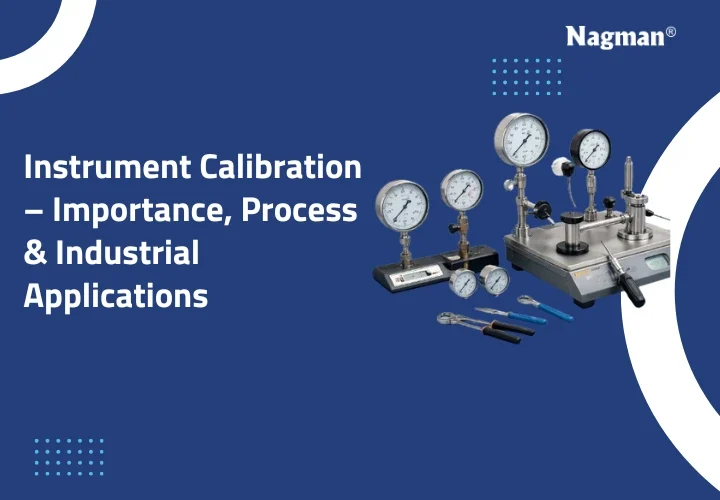
Pressure Gauge Calibration is very significant in industries where pressure regulation is required rather than control. Faulty pressure readings may lead to equipment breakdown or even accidents. The calibrating method consists of matching the gauge against a reference pressure source. This is a common practice in oil and gas, chemical plants, boilers, and hydraulic systems. Periodic pressure gauge calibration not only enhances safety but also boosts system performance.
Temperature Calibrators – Role in Accurate Temperature Measurement
To put it simply, temperature calibrators are very helpful for getting precise temperature readings. Temperature is a critical factor in many industrial processes, including food production, pharmaceuticals, and metal treatment. The accuracy of temperature measurement helps to control product quality and process stability. Thus, it is clear that temperature calibrators are an indispensable part of instrument calibration.
Calibration Standards, Frequency & Compliance Requirements
The calibration process must be performed in accordance with internationally accepted standards, such as ISO standards or national regulations. The instrument calibration period is determined by the instrument’s frequency of use and the nature of the working environment. Some instruments have to be calibrated every few months, while others need to be calibrated once a year. Frequent calibration keeps industries ready for audits and regulations and reduces the risk of unexpected breakdowns.
Many industries also prefer calibration laboratories that comply with ISO/IEC 17025 standards to ensure technical competence and measurement traceability. Using certified reference standards improves confidence in measurement results, supports regulatory compliance, and strengthens quality management systems.
Industrial Applications of Instrument Calibration Across Sectors
Instrument calibration plays an important role across various industries by ensuring accurate measurements, improving product quality, and supporting operational safety. Regular calibration helps reduce measurement errors, improve process efficiency, and meet industry standards.
Common industries that depend on accurate calibration include:
- Manufacturing – Ensures product quality and process consistency.
- Healthcare & Medical Devices – Supports accurate diagnosis and patient safety.
- Power Generation – Improves equipment reliability and operational safety.
- Oil & Gas – Maintains accurate pressure and temperature measurements.
- Food & Beverage – Helps maintain product quality, hygiene, and regulatory compliance.
- Pharmaceuticals – Supports precise manufacturing processes and quality control.
Accurate measurements help industries improve efficiency, reduce operational risks, and maintain consistent quality across critical applications.
Benefits of Regular Instrument Calibration for Quality & Safety
Regular instrument calibration offers several benefits that improve measurement accuracy, equipment performance, and overall operational efficiency. It helps industries maintain consistent quality standards while reducing the risk of costly measurement errors.
Key benefits of regular instrument calibration include:
- Improves measurement accuracy and reliability
- Reduces measurement errors and product defects
- Extends instrument and equipment lifespan
- Enhances workplace safety and operational efficiency
- Supports compliance with industry standards and regulations
- Builds customer confidence through consistent product quality
Conclusion – Why Instrument Calibration Is Essential for Reliable Measurements
Instrument calibration is essential for maintaining accurate measurements, improving product quality, and ensuring safe and reliable industrial operations. Regular calibration helps reduce measurement errors, improve equipment performance, and support compliance with industry standards. Whether it is pressure, temperature, or other critical process measurements, accurate calibration plays a key role in achieving consistent and dependable results.
If you are looking for reliable calibration solutions, Nagman Instruments offers a wide range of precision calibration equipment designed to meet the needs of modern industries. Contact our team to find the right solution for your calibration requirements and improve the accuracy and reliability of your measurement processes.