Introduction – Understanding Instrument Calibration in Modern Industries
In modern manufacturing, precise measurement is of utmost importance. Each operation relies on the correct measurements provided by the equipment and instruments. Here comes the process of instrument calibration. Instrument calibration enables industries to maintain precision, security, and product quality as their top priorities. Calibration, if not done properly, can lead to incorrect measurements and result in material waste, defective products, or even accidents.
Instrument Calibration – Meaning, Scope & Why It Matters
Instrument calibration is the process of checking and adjusting measuring instruments to ensure they give accurate results. With time, the accuracy of an instrument can be reduced by factors such as age, exposure to different temperatures, and constant use. Calibration ensures that the machines are functioning as required and are set to the correct standards. This is important because even a slight error could alter output across sectors such as manufacturing, healthcare, and energy.
What Is Calibration of Instruments? Concept, Accuracy & Traceability
The question of why it is needed often arises with the question: What is calibration of instruments? Calibration involves comparing an instrument’s readings with those of a known standard. If there is any difference, that instrument is adjusted to the referred standard. This also improves accuracy and traceability.
Instrument Calibration Services Near Me – When & Why to Choose Professionals
The search for instrument calibration services near me is a frequent occurrence for industries seeking reliable results. Professional calibration services have trained experts and certified equipment. They follow standard procedures and produce proper calibration reports. Taking the help of professionals is time-saving, risk-reducing, and a guarantee of compliance with industry standards. It is best to refer to experts when instruments are critical to safety or product quality.
Pressure Gauge Calibration – Importance, Methods & Applications
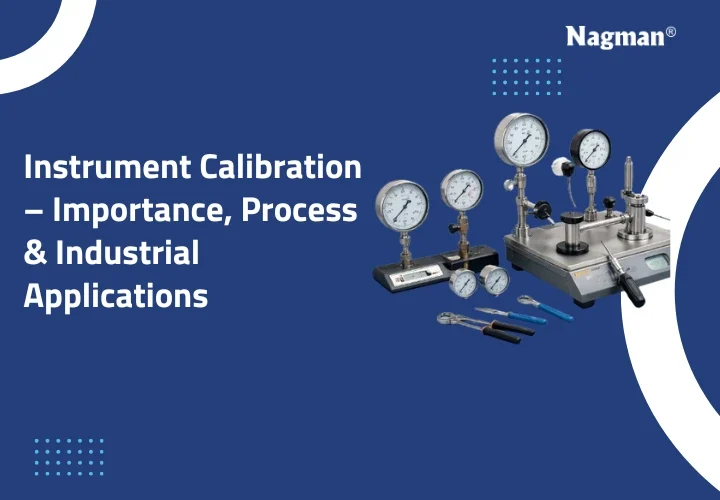
Pressure Gauge Calibration is very significant in industries where pressure regulation is required rather than control. Faulty pressure readings may lead to equipment breakdown or even accidents. The calibrating method consists of matching the gauge against a reference pressure source. This is a common practice in oil and gas, chemical plants, boilers, and hydraulic systems. Periodic pressure gauge calibration not only enhances safety but also boosts system performance.
Temperature Calibrators – Role in Accurate Temperature Measurement
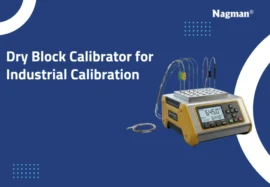
To put it simply, temperature calibrators are very helpful for getting precise temperature readings. Temperature is a critical factor in many industrial processes, including food production, pharmaceuticals, and metal treatment. The accuracy of temperature measurement helps to control product quality and process stability. Thus, it is clear that temperature calibrators are an indispensable part of instrument calibration.
Calibration Standards, Frequency & Compliance Requirements
The calibration process must be performed in accordance with internationally accepted standards, such as ISO standards or national regulations. The instrument calibration period is determined by the instrument’s frequency of use and the nature of the working environment. Some instruments have to be calibrated every few months, while others need to be calibrated once a year. Frequent calibration keeps industries ready for audits and regulations and reduces the risk of unexpected breakdowns.
Industrial Applications of Instrument Calibration Across Sectors
Many industries use the instrument calibration service. In manufacturing, it helps ensure product quality. In medical devices, healthcare relies heavily on calibration. The power generation sector primarily uses it for operational safety. The food and beverage industry has to calibrate to maintain cleanliness and consistency. Therefore, calibration is a common factor that supports the entire sector’s measurements being trustworthy.
Benefits of Regular Instrument Calibration for Quality & Safety
Regular instrument calibration has many advantages. It increases the accuracy of the instruments, diminishes the errors, and consequently prolongs the lifespan of the equipment. Moreover, it contributes to safety by avoiding wrong readings. Calibration also helps industries maintain customer trust and comply with legal requirements.
Conclusion – Why Instrument Calibration Is Essential for Reliable Measurements
Instrument calibration is the heart of industrial operations that are both accurate and safe. It guarantees that the instruments deliver the correct results, support quality standards, and, finally, enhance safety. Every step, from pressure gauge calibration to the use of temperature calibrators, is important. Making a commitment to regular calibration and professional services ensures longevity in reliability and trust in measurements.