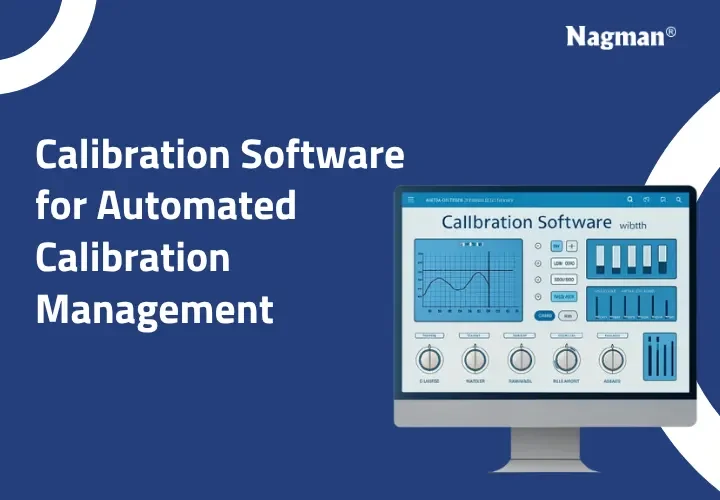
Calibration Software is a digital solution that helps organizations automate calibration scheduling, maintain instrument records, generate calibration certificates, and improve traceability. It simplifies calibration management while supporting product quality, operational efficiency, and compliance across modern industries.
For more than five decades, Nagman Instruments has been helping industries improve measurement accuracy through advanced calibration equipment and automation solutions. Today, organizations are replacing spreadsheets and paper-based records with digital calibration systems to save time, reduce manual work, and improve audit readiness. If you’re planning to modernize your calibration process, this guide will help you understand what to look for before choosing the right solution.
What is Calibration Software?
Calibration Software is a centralized digital platform that helps businesses schedule, monitor, record, and manage calibration activities. It improves measurement accuracy by automating routine calibration tasks while maintaining complete instrument history and documentation.
Instead of maintaining paper files or multiple spreadsheets, organizations can manage calibration schedules, service records, calibration certificates, and instrument information from a single system. This allows maintenance and quality teams to quickly access important records whenever they are required.
A reliable Calibration Management Software solution also sends automatic reminders before calibration due dates, helping organizations reduce missed calibrations and maintain consistent measurement performance.
Why is Calibration Software Important?
Calibration Software helps organizations improve measurement accuracy, reduce manual documentation, simplify audits, and maintain complete calibration records. It supports quality management by ensuring instruments are calibrated on time and historical records remain easily accessible.
As businesses grow, managing hundreds of measuring instruments manually becomes increasingly difficult. Different departments often maintain separate spreadsheets, calibration certificates become harder to locate, and tracking due dates consumes valuable time.
By moving to digital calibration management, organizations can:
- Improve measurement accuracy
- Reduce manual paperwork
- Prevent missed calibration schedules
- Maintain complete instrument history
- Improve audit readiness
- Increase maintenance productivity
For example, a manufacturing company managing hundreds of pressure transmitters and temperature instruments can identify overdue calibrations, retrieve calibration history, and generate certificates within minutes instead of searching through paper records.
Many organizations operating under ISO 9001 quality management systems also depend on accurate calibration records and traceable documentation to support consistent quality processes.
Key Features of Modern Calibration Software
Modern calibration platforms combine automation, digital documentation, and reporting tools to simplify calibration management while supporting long-term business growth.
1.Automated Calibration Scheduling
- Sends automatic calibration reminders
- Prevents overdue calibration activities
- Improves maintenance planning
- Reduces manual follow-up
2.Centralized Instrument Records
- Stores complete instrument information
- Maintains calibration history
- Organizes maintenance records
- Keeps certificates in one secure location
3.Calibration Certificate Generation
- Generates digital calibration certificates
- Reduces paperwork
- Improves documentation consistency
- Saves valuable administrative time
4.Reporting and Analytics
- Tracks calibration status
- Identifies overdue instruments
- Reviews maintenance history
- Supports better business decisions
5.Audit Trail and Traceability
- Records every calibration activity
- Maintains complete instrument history
- Simplifies customer and regulatory audits
- Improves traceability
6.ERP Integration
- Connects calibration data with business systems
- Reduces duplicate data entry
- Improves workflow efficiency
- Supports centralized operations
Benefits of Using Calibration Software
Calibration Software helps businesses improve operational efficiency by automating routine calibration activities and maintaining organized digital records. It also reduces administrative work while improving measurement reliability.
Some of the biggest benefits include:
- Improved measurement accuracy
- Reduced manual documentation
- Faster calibration certificate generation
- Better instrument traceability
- Simplified audit preparation
- Increased maintenance productivity
- Centralized calibration records
- Better visibility across calibration activities
By replacing manual processes with digital workflows, organizations can spend less time managing paperwork and more time improving equipment performance and operational efficiency.
How to Choose the Right Calibration Software
Choosing the right Calibration Software is about selecting a solution that improves efficiency today while supporting future business growth. The ideal platform should automate routine tasks, simplify documentation, and provide complete visibility into calibration activities.
Before making a decision, consider whether the software offers:
- Automated calibration scheduling and reminders
- Centralized instrument database
- Digital calibration certificate generation
- Historical calibration records
- Real-time reporting and analytics
- Audit trail and complete traceability
- ERP or Quality Management System integration
- Secure user access and data protection
- Reliable technical support and software updates
- Scalability for future business requirements
A dependable Calibration Management Software solution should help maintenance teams reduce manual work, improve productivity, and manage calibration activities more efficiently.
Why Choose Nagman Instruments?
Selecting software from an experienced calibration company provides long-term value beyond standard automation features.
For more than five decades, Nagman Instruments has been delivering precision calibration equipment and measurement solutions to industries worldwide. This experience has helped the company develop Calman Plus, a powerful calibration management solution designed to simplify industrial calibration processes.
With Calman Plus, organizations can:
- Automate calibration scheduling
- Maintain centralized instrument records
- Generate digital calibration certificates
- Track complete calibration history
- Improve traceability across departments
- Support ERP integration
- Reduce paperwork and manual documentation
Whether you’re managing a calibration laboratory or a large manufacturing facility, the software helps improve efficiency while supporting quality and compliance objectives.
Key Takeaways
Before investing in a calibration solution, remember these important points:
- Digital calibration improves measurement accuracy.
- Automated scheduling reduces missed calibrations.
- Centralized records simplify audits and inspections.
- Historical calibration data improves equipment management.
- Digital certificates reduce paperwork and save time.
- The right software supports long-term operational efficiency.
Conclusion
Accurate calibration is essential for maintaining product quality, improving operational efficiency, and supporting reliable measurement results. As organizations continue to grow, manual calibration management becomes increasingly difficult, leading to missed schedules, scattered documentation, and additional administrative work.
Investing in the right Calibration Software helps businesses automate calibration scheduling, maintain centralized instrument records, improve traceability, and simplify audit preparation. If you’re looking for a reliable Calibration Management Software solution, Nagman Instruments’ Calman Plus provides the tools needed to streamline calibration management while supporting long-term operational excellence.
Ready to modernize your calibration process? Explore Nagman Instruments‘ Calman Plus to automate calibration activities, generate digital calibration certificates, and improve measurement reliability across your organization.